
Parcel delivery tips 2026: optimise urgent UK shipments
Updated: May 15
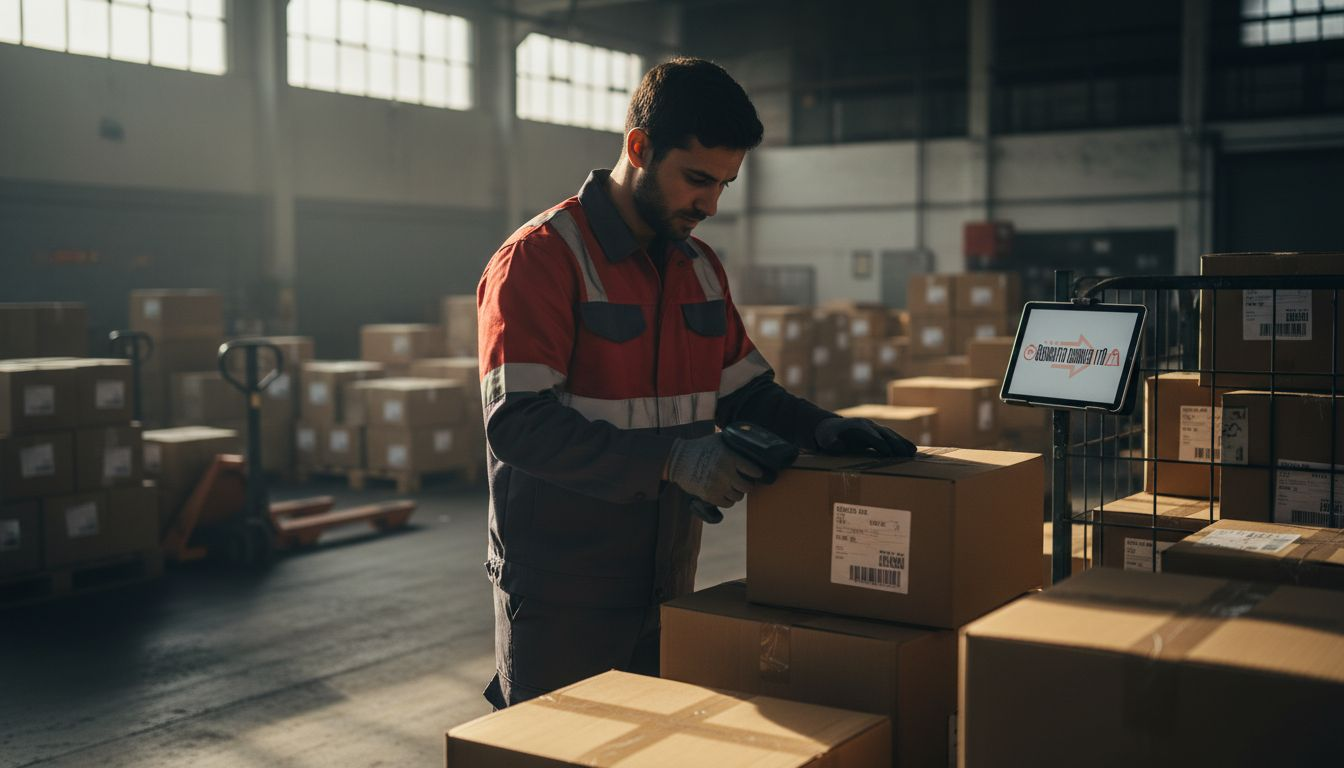
Selecting the right courier for urgent shipments challenges small business owners across the UK every day. With dozens of carriers offering varying speeds, costs, and reliability levels, how do you choose the service that balances budget constraints with customer expectations? This article provides a clear framework and actionable parcel delivery tips for 2026, helping you evaluate courier options, improve packaging standards, and reduce costly delivery failures. You’ll learn criteria-based selection methods, cost management strategies, and technology solutions that transform your urgent parcel operations into a competitive advantage.
Table of Contents
Key takeaways
Point | Details |
Multi-carrier approach | Balance cost and reliability by matching courier services to parcel type, weight, and urgency requirements |
Packaging standards | Use right-sized boxes with 6cm cushioning and H-taping to prevent damage costing UK businesses £2.5 billion annually |
Performance targets | Aim for 98% on-time delivery rates to meet customer expectations for urgent shipments |
Real-time tracking | Implement tracking systems to reduce failed deliveries that cost the industry £1.6 billion yearly |
Cost optimisation | Audit courier expenses regularly and leverage business accounts to save up to 42% on frequent shipments |
Establish criteria for selecting urgent parcel delivery services
Defining your urgency requirements forms the foundation of smart courier selection. Urgent parcels typically need delivery within 24 hours, but your specific timeframe might range from same-day collection within 60 minutes to guaranteed next-day arrival by 9am. Understanding these nuances helps you avoid overpaying for speed you don’t need or underestimating requirements that disappoint customers.
Parcel characteristics directly influence which courier performs best for your needs. Weight, dimensions, value, fragility, and destination all factor into the decision. A 500g document to central London requires different handling than a 15kg fragile parcel to rural Scotland. Using multi-carrier strategies helps you match each shipment to the optimal service based on these variables.
Evaluate carriers on three core metrics: reliability, tracking capability, and total cost including surcharges. Reliability means consistent on-time performance, not just advertised speed. Tracking capability should provide real-time updates that you can share with customers. Total cost includes base rates plus potential extras like fuel surcharges, rural delivery fees, and peak season premiums that can add 10-25% to your bill.
Business accounts with multiple carriers give you flexibility without locking you into single-provider contracts. When you ship more than 25 parcels weekly, negotiated rates typically save 20-42% compared to retail pricing. This multi-carrier approach lets you route lightweight parcels through budget services whilst reserving premium carriers for high-value or ultra-urgent shipments. Review UK urgent courier best practices to understand how leading businesses structure their carrier portfolios.
Pro Tip: Create a simple decision matrix listing your top three carriers with their strengths, cost ranges, and ideal use cases, then train your fulfilment team to reference it for every shipment decision.
Evaluate top courier options for urgent shipments in 2026
DPD stands out for premium tracking and reliable next-day service across the UK. Their Predict service provides one-hour delivery windows and real-time GPS tracking that customers appreciate. Best suited for parcels under 20kg heading to urban and suburban locations, DPD typically costs 15-30% more than budget alternatives but delivers consistent performance that justifies the premium for valuable or time-sensitive items.
Royal Mail and Evri serve budget-conscious businesses shipping lightweight parcels without extreme urgency. Royal Mail’s Tracked 24 offers next-day delivery for items under 2kg at competitive rates, whilst Evri handles parcels up to 15kg affordably. Both work well for non-fragile goods where a 24-48 hour window meets customer expectations. Their extensive networks reach remote postcodes that premium carriers sometimes surcharge heavily.
Parcelforce specialises in heavy or oversized parcels that other carriers reject or price prohibitively. Their express services handle items up to 30kg with next-day delivery options, making them ideal for bulky products, equipment, or consolidated orders. Parcelforce also offers international shipping integration if your urgent UK deliveries occasionally extend to European destinations.
Combining courier options based on parcel profiles optimises both cost and service quality. Route your sub-1kg documents through Royal Mail, mid-weight standard parcels through Evri, premium or fragile items through DPD, and heavy shipments through Parcelforce. This strategic allocation can reduce overall courier spend by 18-35% whilst maintaining high customer satisfaction.
Courier | Best For | Speed | Cost Level | Tracking Quality |
DPD | Premium service, fragile items | Next-day, timed | High | Excellent (GPS, 1-hour window) |
Royal Mail | Lightweight, budget parcels | 24-48 hours | Low | Good (tracking updates) |
Evri | Standard parcels, cost-conscious | 2-3 days | Very Low | Basic (milestone tracking) |
Parcelforce | Heavy/oversized items | Next-day available | Medium-High | Good (regular updates) |
Pro Tip: Test each carrier with 10-20 shipments to different UK regions before committing to volume contracts, tracking actual delivery times and customer feedback to validate their performance claims.
Apply best practices for packaging and delivery performance
Right-sized packaging with adequate cushioning prevents the majority of transit damage that costs UK businesses millions annually. Use boxes that allow minimum 6cm of cushioning material on all sides of your product. Oversized boxes waste money on dimensional weight charges whilst undersized packaging leaves items vulnerable to impacts. Measure your common product dimensions and stock 4-5 box sizes that accommodate most orders efficiently.

Double-wall corrugated boxes or double-boxing techniques protect fragile and heavy parcels during the sorting and transit process. Single-wall boxes under 10kg might survive, but anything heavier or fragile needs reinforced protection. Prioritising accurate packaging with right-sizing, 6cm cushioning, and double-wall boxes prevents damage costs and maintains your reputation for quality.
H-taping, where you apply tape along all seams and edges forming an H pattern on top and bottom, dramatically improves package integrity. This technique distributes stress across the entire closure rather than concentrating it on a single seam. It takes 15 extra seconds per parcel but reduces opening during transit by approximately 60% based on industry handling studies.
Delivery performance targets give you objective standards to measure courier effectiveness. Target 98% on-time delivery for urgent shipments, as this benchmark aligns with customer expectations for next-day and same-day services. Services like UPS Express Plus (by 9am) or DPD next-day consistently achieve these rates in urban areas, though rural destinations may require adjusted expectations.
“Investing in proper packaging materials costs 3-5% of your shipping budget but prevents 10-15% of potential damage claims. The return on investment becomes obvious after your first prevented claim.” – Logistics consultant analysis, 2026
Failed deliveries and damaged parcels directly impact your bottom line and customer relationships. A single failed delivery attempt costs £8-12 in redelivery fees plus customer service time. Damaged goods require refunds, replacements, and often lose the customer permanently. Track these metrics monthly and address patterns immediately. Explore sameday delivery services UK options when standard next-day services show recurring failure patterns in specific regions.
Manage costs and reduce delivery failures with technology
Regular cost audits reveal opportunities to optimise your courier spending without sacrificing service quality. Use comparison platforms and business accounts to benchmark your current rates against market alternatives. Businesses shipping more than 25 parcels weekly typically save 42% by negotiating volume discounts. Review your past three months of shipping data to identify your most common parcel profiles, then request quotes specifically for those specifications.
Surcharges add 10-25% to base courier rates if you don’t plan strategically. Rural delivery fees, residential address charges, fuel surcharges, and peak season premiums stack up quickly. Consolidate orders heading to the same region when possible. For parcels under 1kg, choosing the lightest-rated carrier saves 18-23% compared to standard services. Schedule non-urgent shipments outside peak periods like December and January when surcharges spike.
Automation reduces human errors that cause delivery failures and wasted costs. Address validation APIs catch typos and formatting issues before parcels ship, preventing 40-60% of failed deliveries caused by incorrect addresses. Dynamic routing algorithms select optimal carriers based on real-time factors like weather, traffic, and carrier performance data. These systems typically pay for themselves within 2-3 months through reduced failures and optimised carrier selection.
Steps to implement cost and failure reduction:
Audit your last quarter’s shipping invoices to identify your top five destinations and parcel weight ranges
Request volume quotes from three carriers for your specific shipping profile
Implement address validation software that integrates with your order management system
Set up automated carrier selection rules based on weight, destination, and urgency
Monitor weekly performance dashboards tracking on-time delivery rates and cost per parcel
Review and adjust carrier allocation monthly based on performance data
Real-time tracking and predictive delivery windows cut failed deliveries that cost the UK industry £1.6 billion annually. Customers receiving accurate delivery windows are 73% more likely to be available for the first delivery attempt. Out-of-home delivery options like secure lockers and collection points provide alternatives when recipients can’t be home, addressing the 94% of consumers who demand delivery updates and flexibility.
Pro Tip: Integrate your courier APIs with your customer communication system to automatically send tracking links and delivery updates via SMS and email, reducing “where’s my parcel” enquiries by 60-70%.
Understand the complete guide to selecting courier services for urgent UK deliveries to build a robust multi-carrier strategy that adapts to changing business needs and seasonal demands.
Optimise urgent parcel delivery with dedicated courier services
When standard carrier networks can’t meet your urgent delivery requirements, dedicated same-day courier services provide the reliability and speed your business demands. Unlike shared network carriers that consolidate multiple shipments, dedicated courier services UK assign a single driver to collect and deliver your parcel directly, eliminating sorting delays and ensuring accountability throughout the journey.

Nationwide coverage with rapid collection times, often within 60 minutes, means you can respond to last-minute customer needs or supply chain emergencies without compromising on delivery promises. Whether you’re shipping critical documents, high-value parcels, or time-sensitive materials, sameday courier services operate 24/7 to accommodate urgent requirements outside standard business hours. The service flexibility extends across various courier vehicles suitable for everything from small packages to pallet-sized loads, giving you customised solutions that match your exact specifications rather than forcing your shipments into standardised service tiers.
Frequently asked questions about parcel delivery in 2026
What is the fastest parcel delivery option for urgent UK shipments?
Same-day dedicated courier services offer the fastest option, with collection within 60 minutes and direct point-to-point delivery across the UK. For next-day needs, DPD’s timed services and UPS Express Plus deliver by 9am in most urban areas. Sameday delivery services UK provide comprehensive coverage when standard carriers can’t meet tight deadlines.
How should I package fragile parcels for next-day delivery?
Use double-wall corrugated boxes with minimum 6cm cushioning on all sides of the item. Wrap fragile items individually in bubble wrap, then fill void spaces with packing peanuts or air pillows. Apply H-taping across all seams and clearly label the package as fragile on multiple sides.
How can small businesses reduce courier costs in 2026?
Establish business accounts with multiple carriers to access volume discounts of 20-42% when shipping over 25 parcels weekly. Audit costs quarterly using comparison platforms, choose the lightest carrier for parcels under 1kg to save 18-23%, and avoid surcharges by scheduling shipments outside peak periods. Right-sizing packaging also reduces dimensional weight charges.
Why is real-time tracking crucial for urgent deliveries?
Real-time tracking reduces failed deliveries by providing customers with accurate delivery windows, increasing first-attempt success rates by 73%. It cuts customer service enquiries by 60-70% and builds trust through transparency. For urgent shipments where timing is critical, tracking enables proactive communication if delays occur.
What should I consider when choosing multiple courier services?
Evaluate each carrier’s strengths for specific parcel profiles: weight ranges, destination coverage, tracking quality, and total costs including surcharges. Create a decision matrix that routes lightweight budget parcels through one carrier, premium or fragile items through another, and heavy shipments through specialists. Test each carrier with sample shipments before committing to volume contracts.
Recommended


Comments